
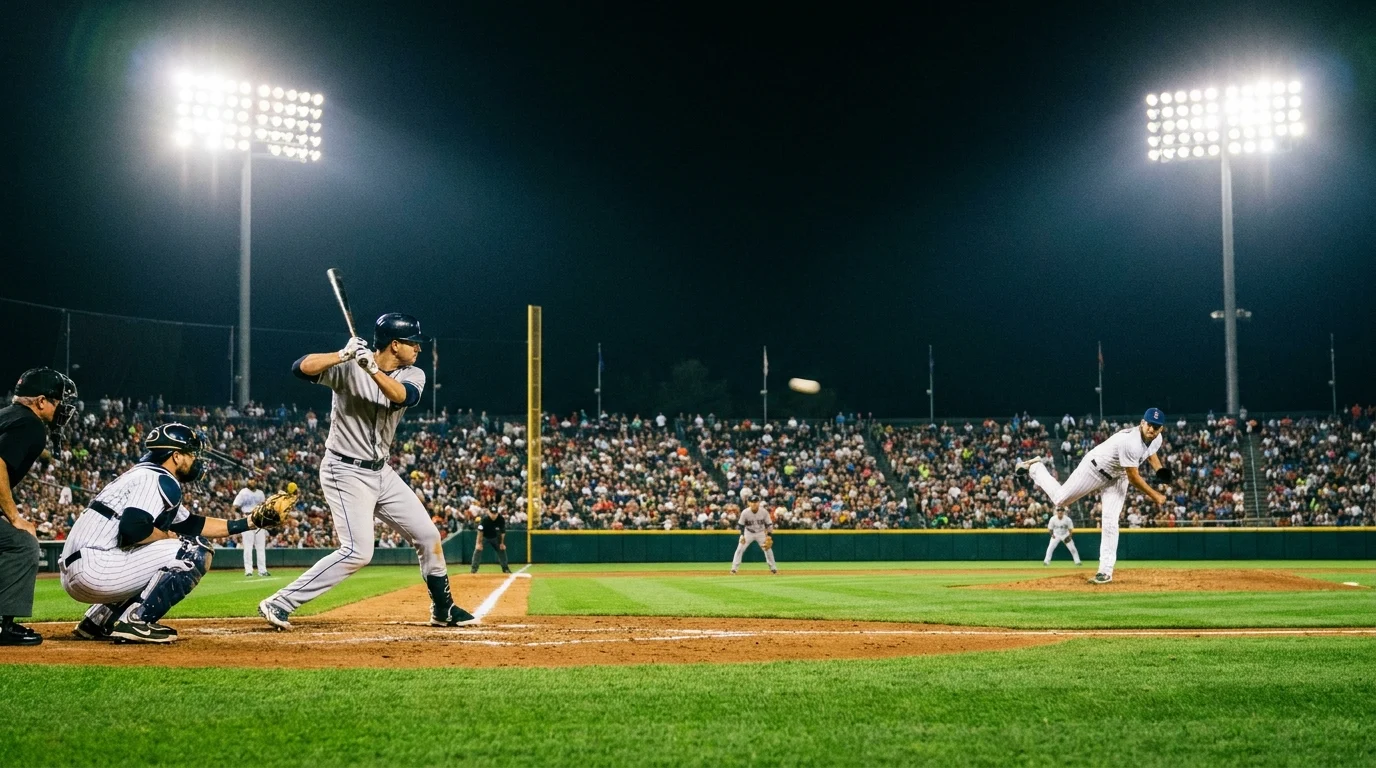
Quick Ans: A batter vs pitcher matchup is a key part of baseball. The batter tries to hit the ball and reach base, while the pitcher throws the ball toward home plate to get the batter out or prevent a successful hit. Their competition shapes every pitch, at bat, and scoring opportunity.
Baseball has two essential players who face each other throughout the game: the batter and the pitcher. Although both play important roles, they have different responsibilities. The batter aims to hit the ball safely, reach base, and help the team score runs. Meanwhile, the pitcher tries to make hitting difficult by controlling the ball’s speed, movement, and location.
Understanding the difference between these positions makes baseball much easier to follow. For example, when a commentator discusses a batter facing a pitcher, they are talking about a direct contest between offense and defense. Each player studies the other’s strengths, weaknesses, and previous performance.
Moreover, this matchup involves more than simply throwing and hitting. Pitch selection, batting stance, timing, and strategy can all influence the result. Whether you are new to baseball or want to understand game commentary better, learning the roles of these two players will help you enjoy every inning.
What Is a Batter in Baseball?
A batter is the offensive player who stands in the batter’s box and attempts to hit pitches thrown by the opposing pitcher.
The batter’s main goal is to reach base safely and help the team score runs. However, hitting the ball is not always necessary to reach base.
Main Responsibilities of a Batter
- Hit the ball: Make solid contact and send the ball into fair territory.
- Reach base: Get to first base or advance to another base.
- Earn walks: Reach first base after receiving four balls during an at bat.
- Avoid strikeouts: Recognize pitches and avoid accumulating three strikes.
- Help score runs: Advance runners or drive them home with hits.
Example: If a batter hits a ball into the outfield and reaches first base safely, the batter records a single.
What Is a Pitcher in Baseball?
A pitcher is the defensive player who throws the ball from the pitching mound toward the catcher, who receives it behind home plate.
The pitcher aims to prevent the batter from reaching base and to help the defense record outs. To do this, pitchers use different pitches, speeds, and locations.
Main Responsibilities of a Pitcher
- Throw strikes: Send pitches through the strike zone or get the batter to swing and miss.
- Record outs: Strike out batters or encourage contact that leads to outs.
- Control pitch movement: Use pitches such as fastballs, curveballs, and sliders.
- Limit hits and runs: Prevent opposing players from reaching base or scoring.
- Work with the catcher: Follow a strategy for each batter and game situation.
Example: If a pitcher throws three strikes before the batter puts the ball into play, the batter is out on a strikeout.
Batter vs Pitcher: Key Differences
| Feature | Batter | Pitcher |
|---|---|---|
| Team role | Offense | Defense |
| Main objective | Reach base and score runs | Prevent hits and record outs |
| Position | Batter’s box | Pitching mound |
| Primary action | Hits or attempts to hit pitches | Throws pitches |
| Important skills | Timing, contact, plate discipline | Accuracy, velocity, movement, control |
| Successful result | Hit, walk, or reaching base safely | Strikeout, out, or weak contact |
How Does a Batter Face a Pitcher?
A batter and pitcher compete during an at bat, which consists of pitches delivered to the batter. The contest usually ends when the batter reaches base, makes an out, or receives a walk or hit by pitch.
Here is how it works:
- The pitcher delivers a pitch toward home plate.
- The batter decides whether to swing.
- The umpire calls a ball or strike if the pitch is not hit into play.
- The count changes as more pitches are thrown.
- The at bat ends when the batter reaches a result, such as a hit, walk, or out.
For example, if the pitcher throws three strikes, the batter usually strikes out. However, if the pitcher throws four balls before the batter gets out, the batter receives a walk and advances to first base.
Who Has the Advantage: Batter or Pitcher?
Neither player always has the advantage. The outcome depends on their skills, the pitch being thrown, the count, and the game situation.
A pitcher may have an advantage when throwing a fastball past a batter who struggles with high-speed pitches. On the other hand, a batter may have an advantage against a pitcher whose pitches frequently enter predictable locations.
The count also matters. For instance, a 3-0 count generally favors the batter because the pitcher must avoid another ball that would produce a walk. Conversely, an 0-2 count often favors the pitcher because the batter must protect against a strikeout.
Therefore, the batter-pitcher matchup changes with every pitch.
Common Misunderstandings
- A batter must hit the ball to reach base: Not always. A batter can also receive a walk or get hit by a pitch.
- Every pitch outside the strike zone is a ball: A pitch outside the zone can still be a strike if the batter swings and misses, or hits a foul ball in many circumstances.
- The pitcher only throws fastballs: Pitchers use multiple pitch types to keep batters guessing.
- A strike always means the batter swung and missed: A called strike can occur when the batter does not swing at a pitch judged to be in the strike zone.
Frequently Asked Questions
1. Is a batter offense or defense?
A batter plays offense because their team is trying to score runs.
2. Is a pitcher offense or defense?
A pitcher plays defense because their job is to prevent the opposing team from scoring.
3. Can a pitcher also be a batter?
Yes. In some leagues and situations, pitchers bat. In Major League Baseball, the designated hitter rule generally allows a player to bat in place of the pitcher, although specific league rules and exceptions apply.
4. What happens when a batter hits a pitch?
The ball enters play if it is hit into fair territory, and the batter runs toward first base. The defense then tries to get the batter or other runners out.
5. What is a strikeout?
A strikeout occurs when a batter receives three strikes, subject to specific baseball rules that can allow the batter to reach first base on an uncaught third strike.
6. Who throws the ball to the batter?
The pitcher throws the ball, while the catcher receives pitches behind home plate.
7. What is a batter-pitcher matchup?
It is the contest between a batter trying to reach base and a pitcher trying to record an out or prevent a successful hit.
8. Who is more important, the batter or the pitcher?
Both are essential. Batters create scoring opportunities, while pitchers help stop the opposition from scoring.
Conclusion
The difference between a batter and a pitcher comes down to their roles. The batter tries to reach base and help score runs, while the pitcher attempts to prevent that success. Although their goals are opposite, both rely on skill, timing, and strategy. Once you understand this matchup, baseball’s pitches, hits, walks, and strikeouts become much easier to follow.