Quite or Quiet: What’s the Difference? Easy Rules, Examples & Tips
quite or quiet

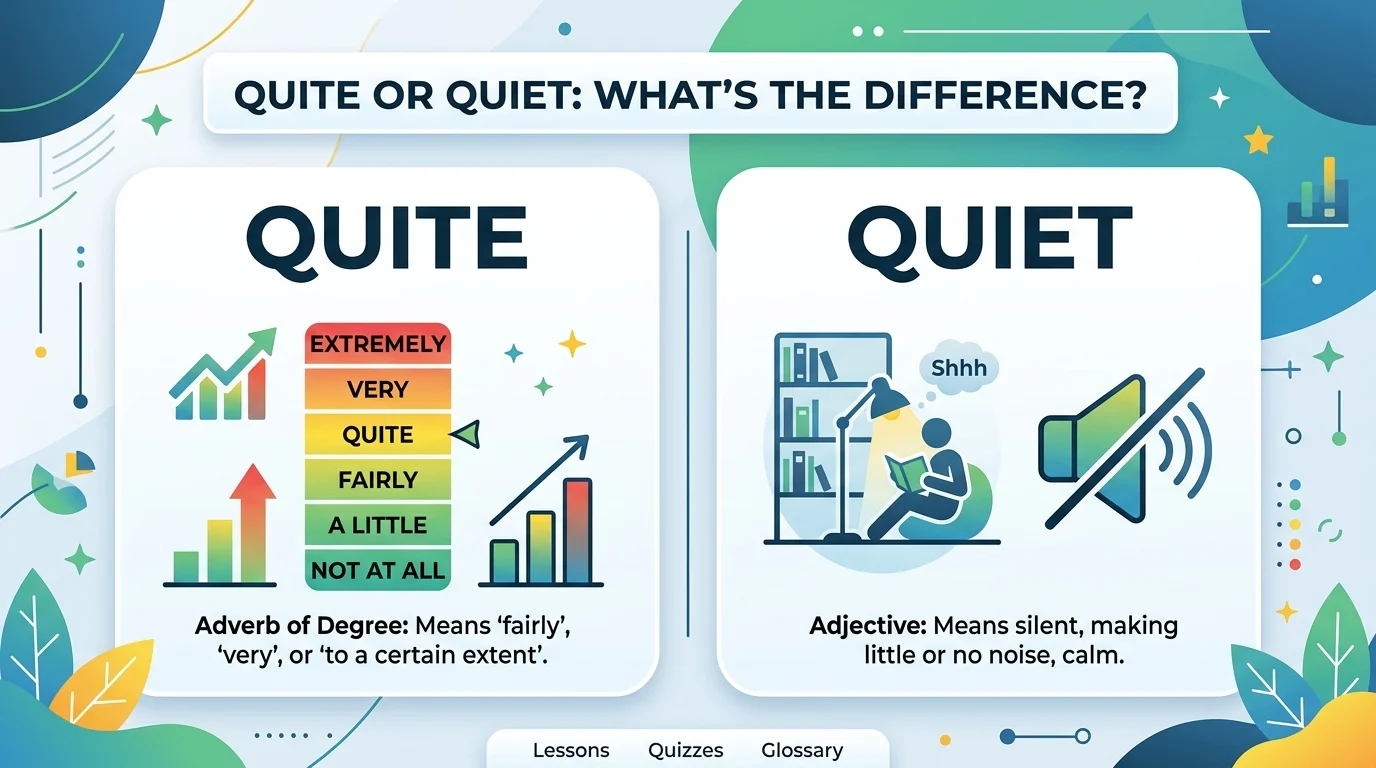
Quick Ans: “Quite” and “quiet” are both correct English words, but they have completely different meanings. “Quite” usually means fairly, rather, or completely, depending on the context. “Quiet” describes something with little or no noise. Knowing the difference helps you avoid a common spelling and vocabulary mistake. Are you confused about whether to use “quite … Read more
Tomatoes or Tomatos: Which Spelling Is Correct? Easy Rules, Examples & Tips

tomatoes or tomatos

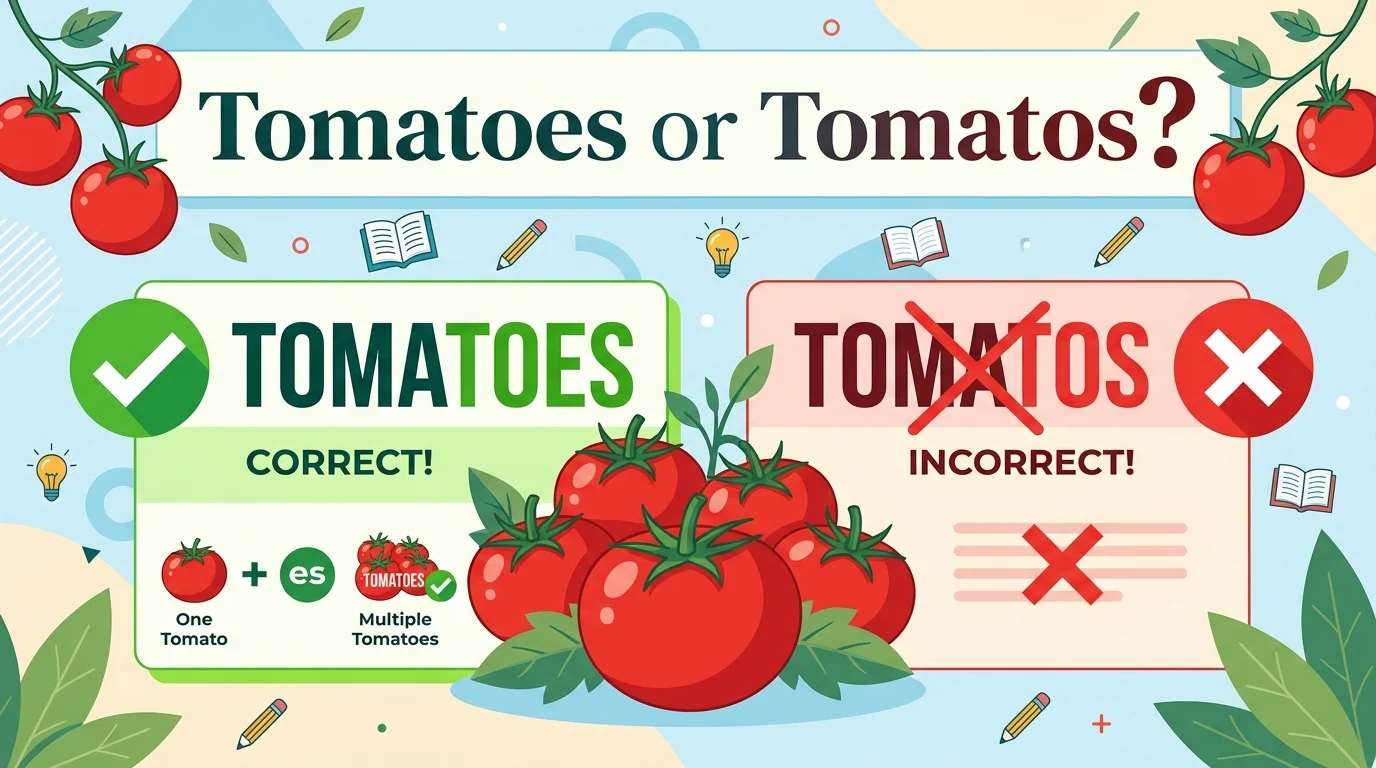
Quick Ans: “Tomatoes” is the correct plural spelling of “tomato.” “Tomatos” is incorrect in standard English. The spelling changes from “tomato” to “tomatoes” when you make it plural. This follows the common English pattern in which some nouns ending in “o” take “es” instead of simply adding “s.” Are you confused about whether to write … Read more

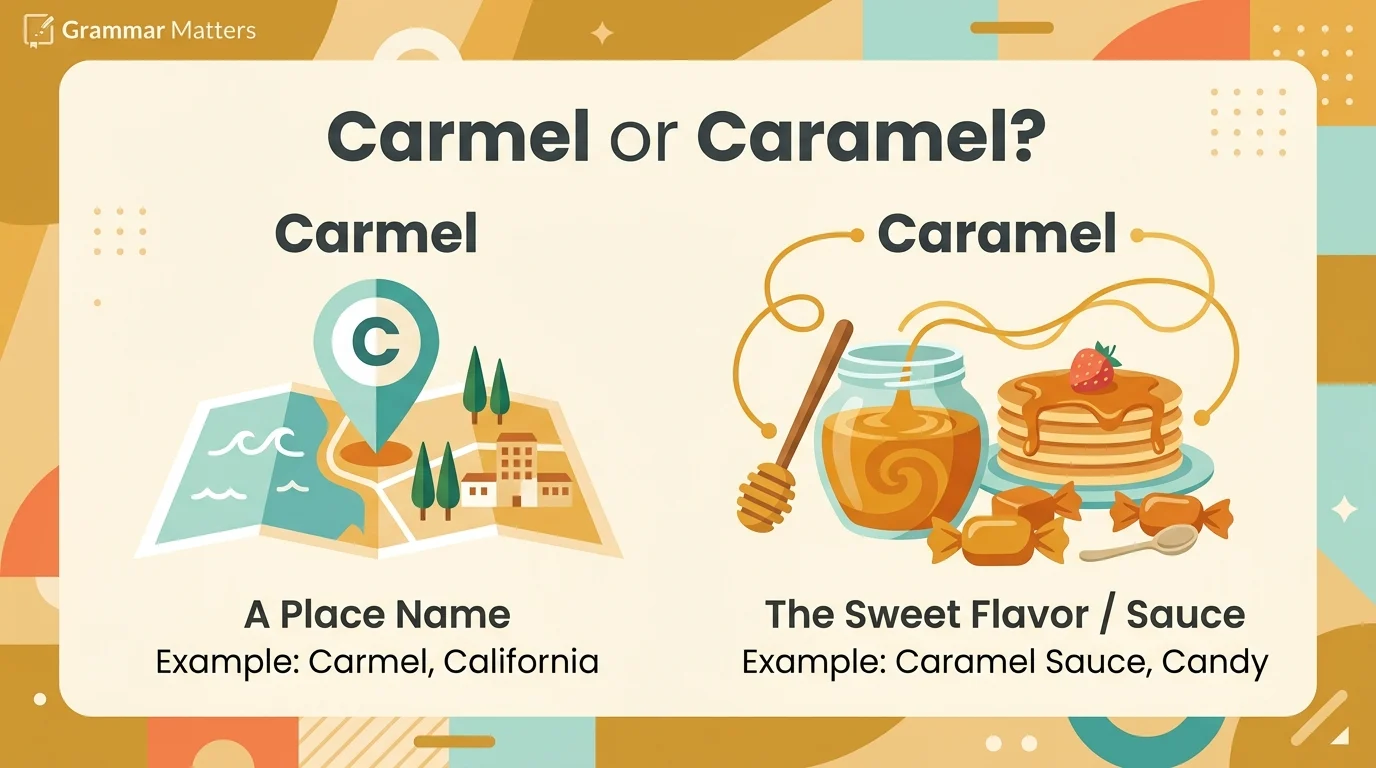
Carmel or Caramel: What’s the Difference? Easy Rules, Examples & Tips

carmel or caramel

Quick Ans: “Caramel” is the correct spelling for the sweet food made by heating sugar. “Carmel” is usually a proper name, such as a place or a person’s name. Although some people pronounce “caramel” like “carmel,” the two spellings are not interchangeable. Are you confused about whether to write “carmel or caramel”? You may have … Read more

Greatful or Grateful: What’s the Difference? Easy Rules, Examples & Tips 2026

greatful or grateful

Quick Ans: “Grateful” is the correct spelling when you want to express thanks or appreciation. “Greatful” is a common spelling mistake and isn’t considered standard English. Although “great” and “grateful” look related, the correct word comes from “gratitude,” not “great.” Are you wondering whether to write “greatful or grateful”? Many English learners make this spelling … Read more

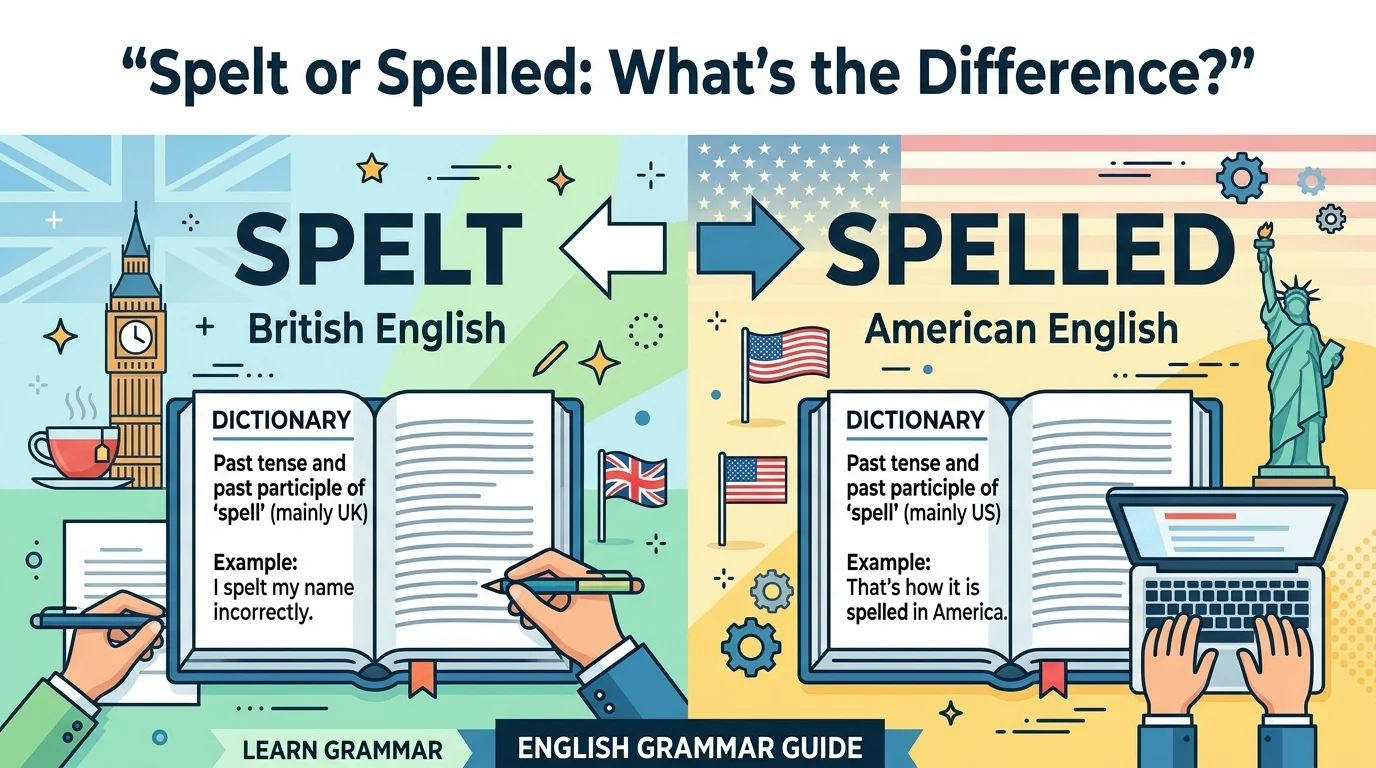
Spelt or Spelled: What’s the Difference? Easy Rules, Examples & Tips

spelt or spelled

Quick Ans: Both “spelt” and “spelled” are correct past tense forms of the verb “spell.” “Spelled” is more common in American English, while “spelt” is widely used in British English and some other varieties. The choice usually depends on your audience and the type of English you are writing. Are you confused about whether to … Read more

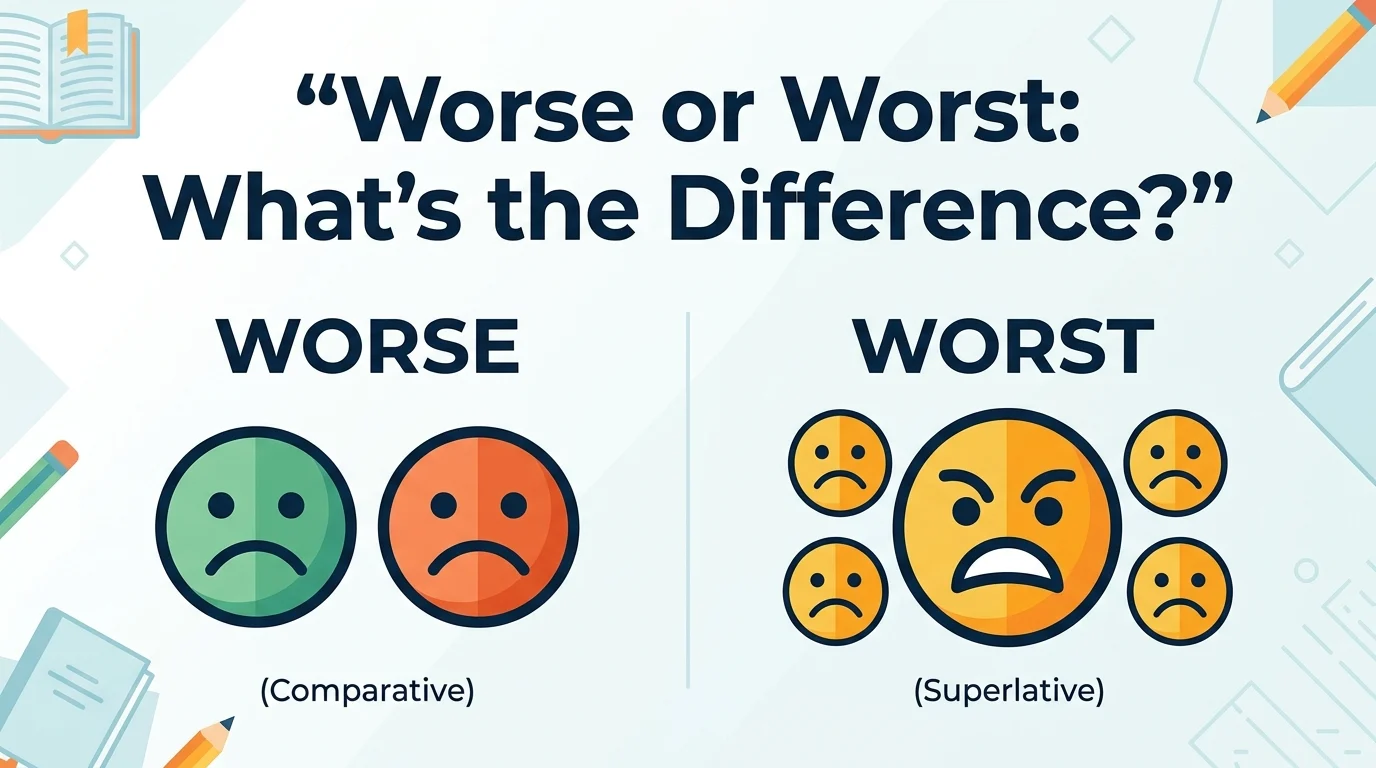
Worse or Worst: What’s the Difference? Easy Rules, Examples & Tips

worse or worst

Quick Ans: “Worse” and “worst” both describe something bad, but they are used differently. “Worse” compares two people, things, or situations, while “worst” describes the lowest or most negative level among three or more. Knowing this simple difference will help you avoid one of the most common English comparison mistakes. Are you confused about whether … Read more

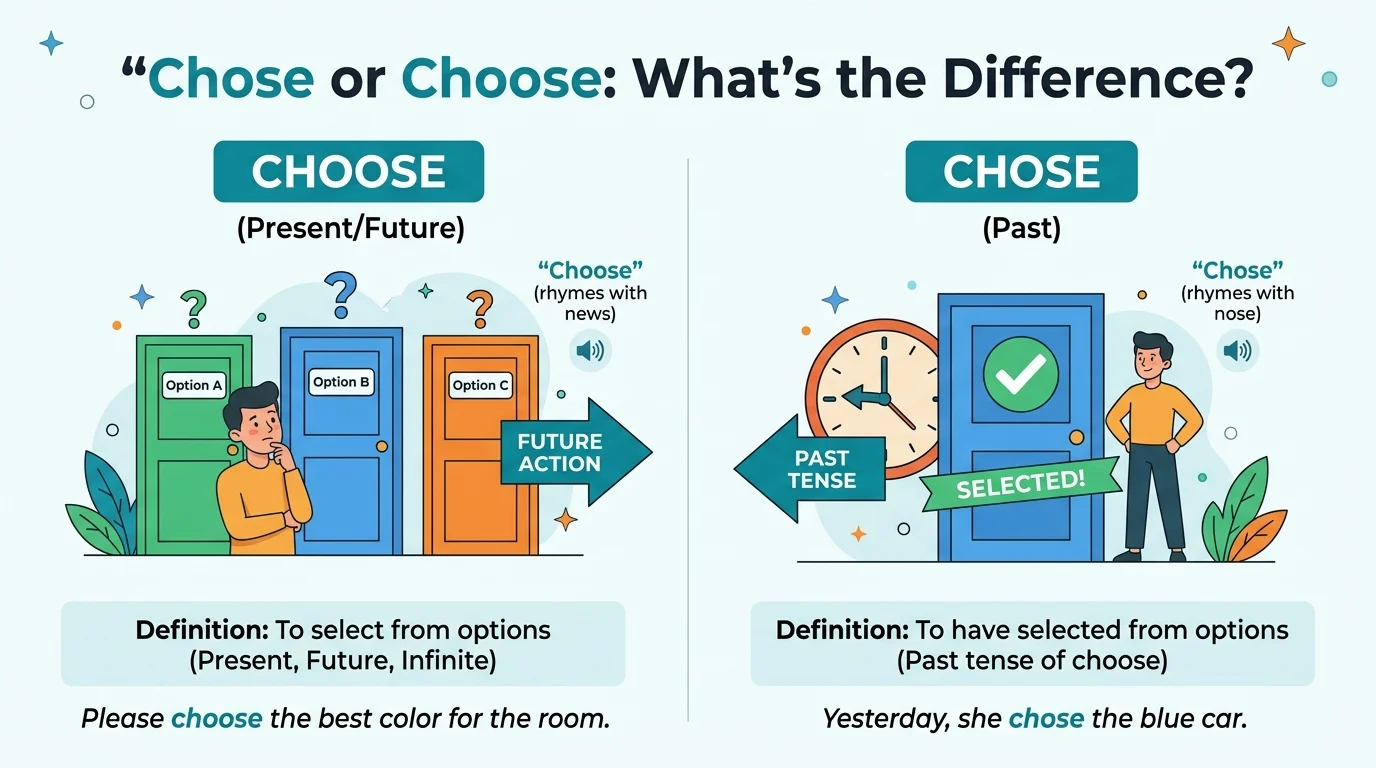
Chose or Choose: Which Is Correct? Meaning & Examples 2026

chose or choose

Quick Ans: “Choose” is the present tense verb meaning to select or decide between options. “Chose” is the simple past tense of “choose.” The easiest way to remember the difference is to use “choose” for something happening now or later, and “chose” for something that already happened. Are you confused about whether to use “chose … Read more

Whether or Wether: What’s the Difference? Easy Rules, Examples & Tips

whether or wether

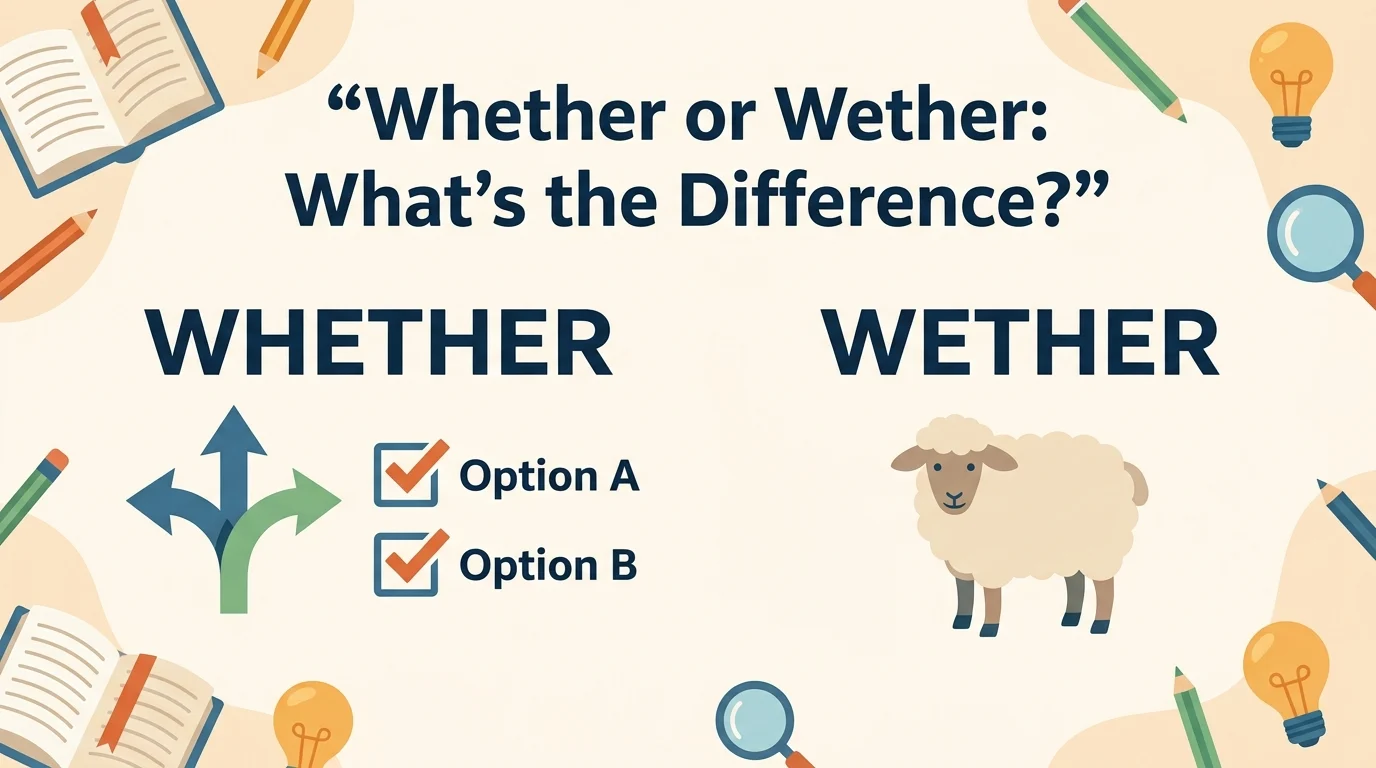
Quick Ans: “Whether” and “wether” are both real English words, but they have completely different meanings. “Whether” is used to talk about choices, alternatives, or possibilities. “Wether” is a less common noun that means a castrated male sheep or goat. For everyday writing, “whether” is usually the word you need. Are you confused about whether … Read more