Theragun vs Hypervolt: What’s the Difference? Features, Uses & Tips
theragun vs hypervolt

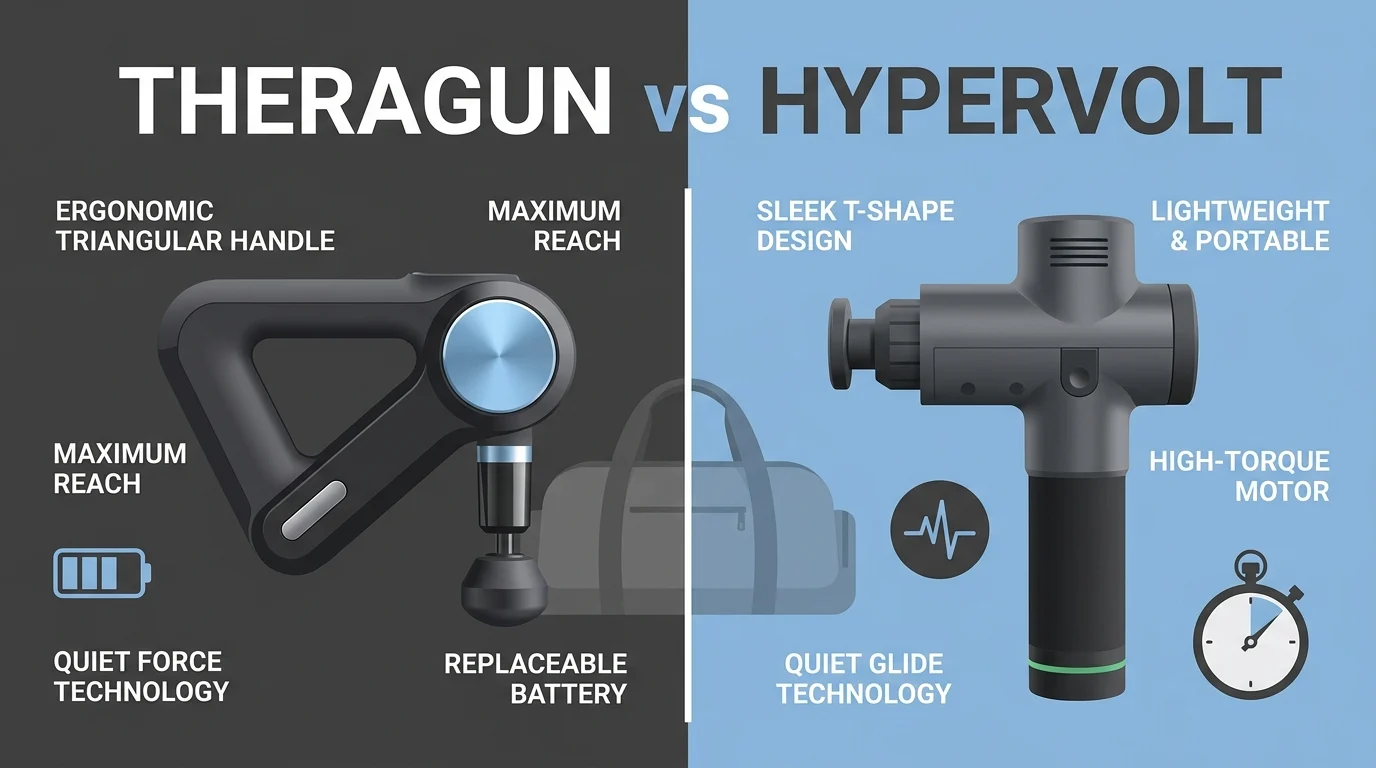
Quick Ans: Theragun and Hypervolt are popular percussion massage gun brands designed to help loosen tight muscles, reduce feelings of soreness, and support warmups and recovery. Theragun models are made by Therabody, while Hypervolt models are made by Hyperice. Their features, designs, attachments, speeds, battery life, and prices vary by model. Theragun vs Hypervolt is … Read more
Gynecologist vs OB GYN: What’s the Difference? Easy Guide

gynecologist vs obgyn

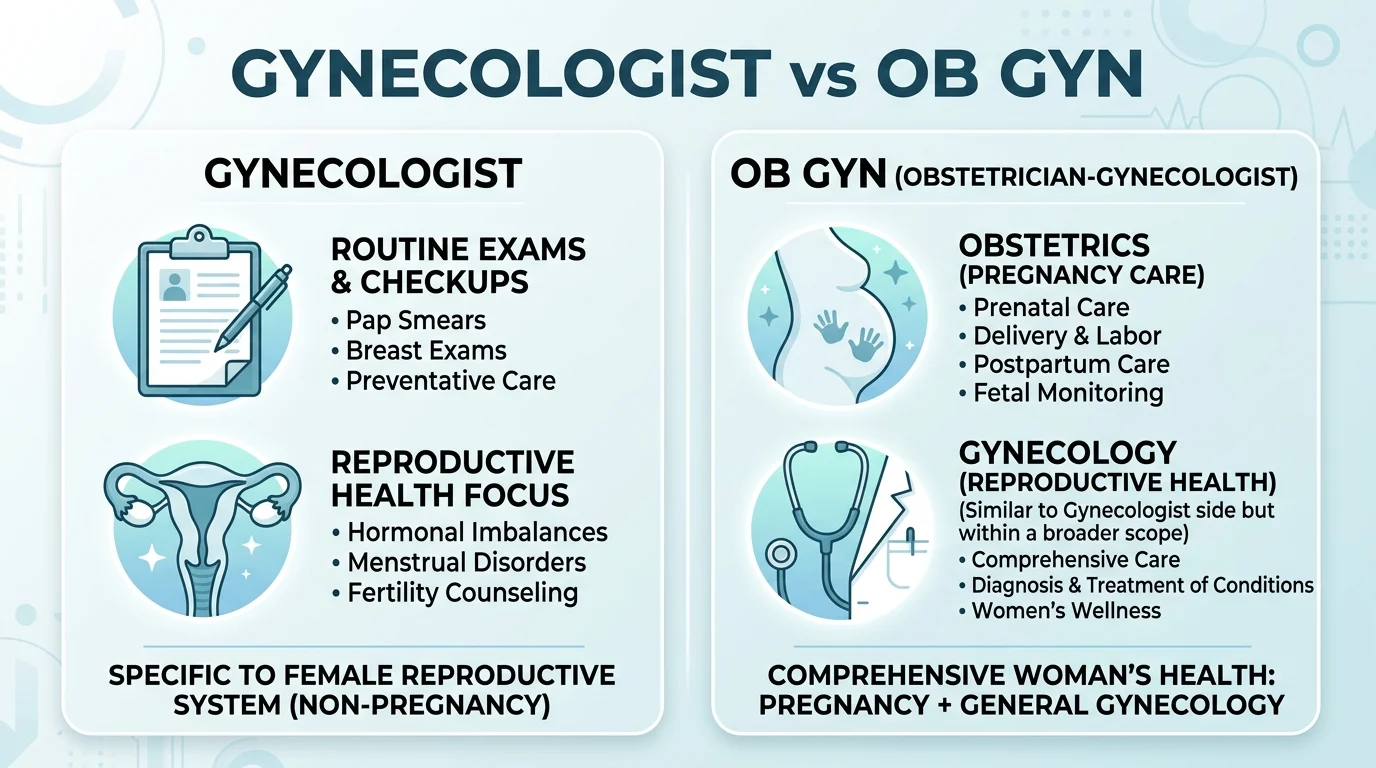
Quick Ans: A gynecologist focuses on women’s reproductive health, including the uterus, ovaries, cervix, and vagina. An OB GYN is a doctor trained in both obstetrics and gynecology. Obstetrics focuses on pregnancy, childbirth, and postpartum care, while gynecology covers reproductive health outside pregnancy. An OB GYN can therefore provide both types of care. Gynecologist vs … Read more

Discrete or Discreet: What’s the Difference? Easy Rules, Examples & Tips

discrete or discreet

Quick Ans: Discrete and discreet are different words with different meanings. Discrete means separate, distinct, or individually different. Discreet means careful, tactful, and not likely to attract attention. A simple way to remember them is that discrete is about things being separate, while discreet is about behaving carefully or privately. Discrete or discreet can be … Read more

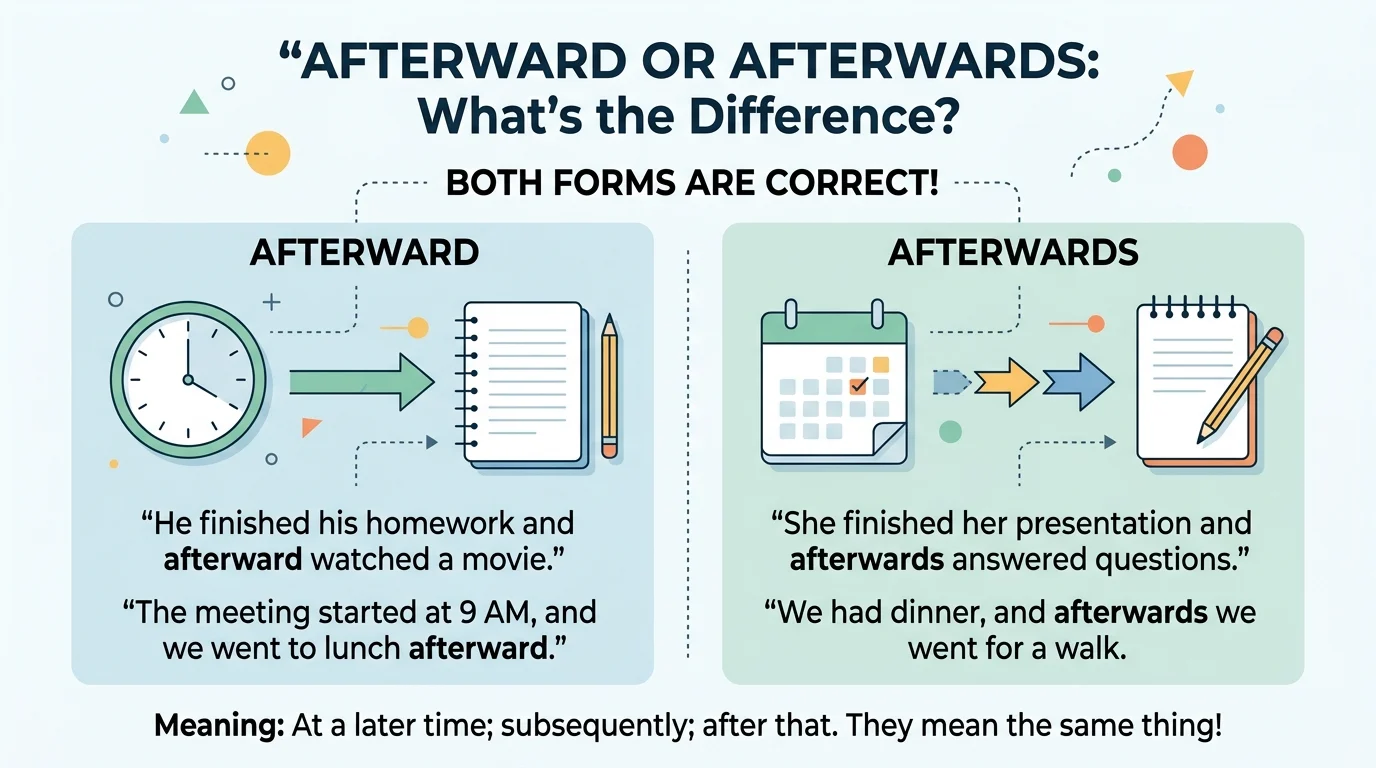
Afterward or Afterwards: What’s the Difference? Easy Rules & Examples

afterward or afterwards

Quick Ans: Afterward and afterwards are both correct adverbs meaning “at a later time” or “later.” Afterward is more common in American English, while afterwards is more common in British English and other varieties. The two words have the same meaning and can usually be used interchangeably. Choose one based on your preferred style and … Read more

Por or Para: What’s the Difference? Easy Rules, Examples & Tips

por or para

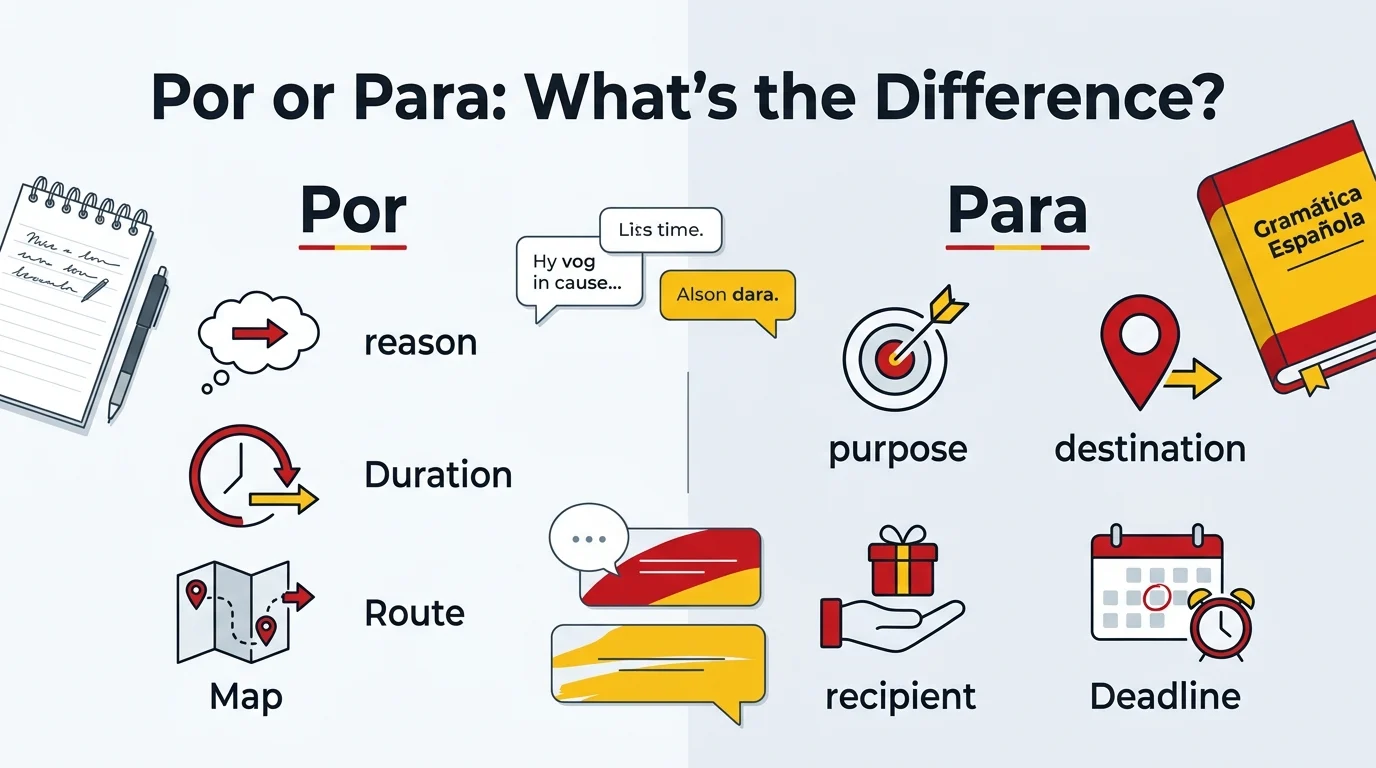
Quick Ans: Por and para are both Spanish prepositions, but they have different uses. Para often expresses purpose, destination, a recipient, or a deadline, while por commonly expresses a reason, duration, exchange, movement through an area, or means. Learning the basic patterns makes it much easier to choose between por and para correctly. Por or … Read more