Thru vs Through: Which Spelling Is Correct?

thru vs through

Quick Answer: Thru vs through is a common English spelling question. Both forms can express the same meaning, but through is the standard spelling used in formal and everyday writing. Thru is an informal variant often found on road signs, restaurant boards, and in casual messages. Have you ever noticed a sign that says Drive … Read more

Buzzard vs Vulture: Key Differences and Examples

buzzard vs vulture

Quick Answer: buzzard vs vulture is a common source of confusion because the meanings vary by region. In British English, a buzzard is usually a hawk like bird that hunts small animals, while a vulture mainly feeds on dead animals. In American English, buzzard often refers to a vulture, including the turkey vulture. Have you … Read more

Weather vs Whether: What’s the Difference? Meaning, Examples & Easy Tips

weather vs whether

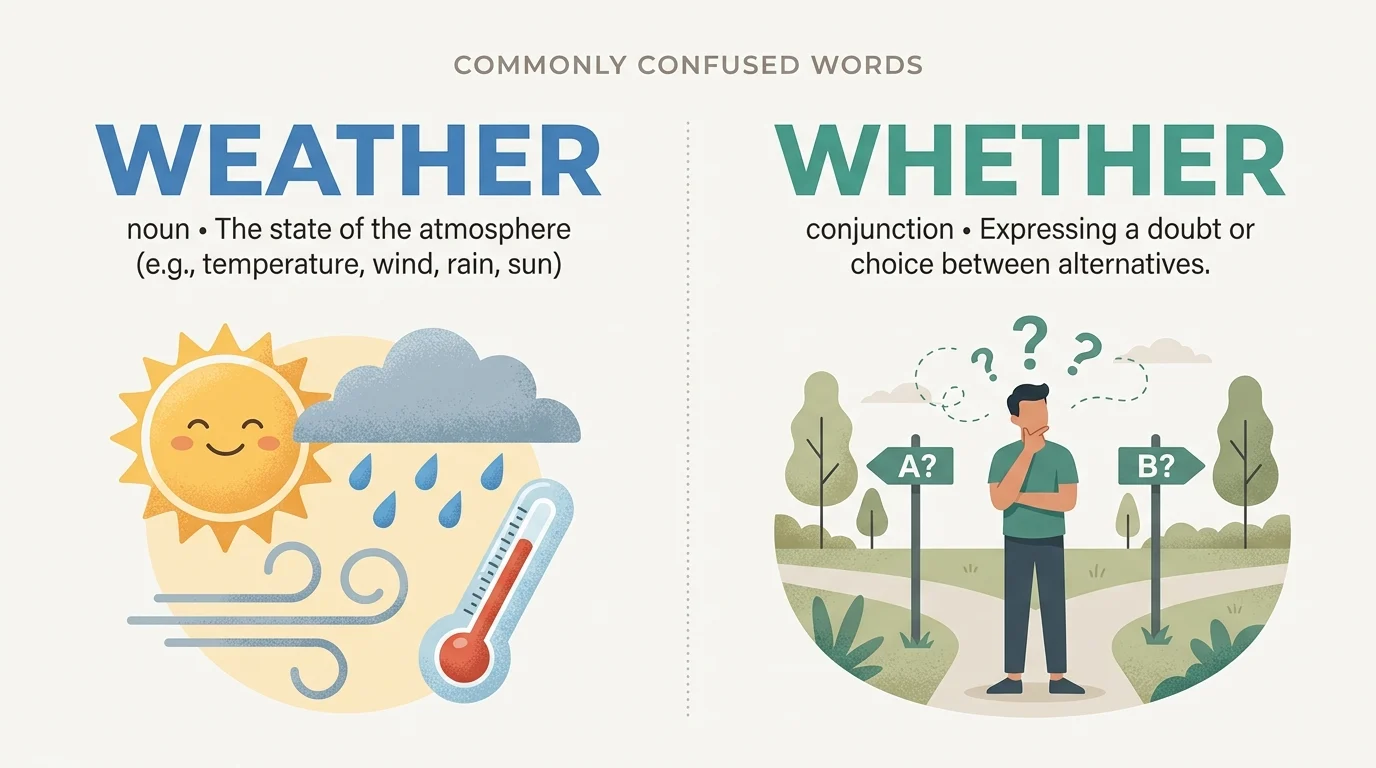
Quick Answer: Weather vs whether comes down to meaning and usage. Weather refers to outdoor conditions, such as rain, sunshine, wind, and temperature. Whether introduces a choice, possibility, or uncertainty. Although these words sound alike, they serve different purposes in a sentence. Understanding their meanings helps you avoid common spelling and grammar mistakes. Have you … Read more

Pre vs Probiotic: What’s the Difference? Benefits, Foods & How to Choose

pre vs probiotic

Quick Answer: The main difference between prebiotics and probiotics is their role in gut health. Prebiotics are substances, usually certain types of fiber, that beneficial gut microbes use as food. Probiotics are live microorganisms that provide health benefits when consumed in adequate amounts. Both can support digestive health, but they work in different ways. Gut … Read more

Consecutive vs Concurrent: What’s the Difference? Meaning, Examples & Usage

consecutive vs concurrent

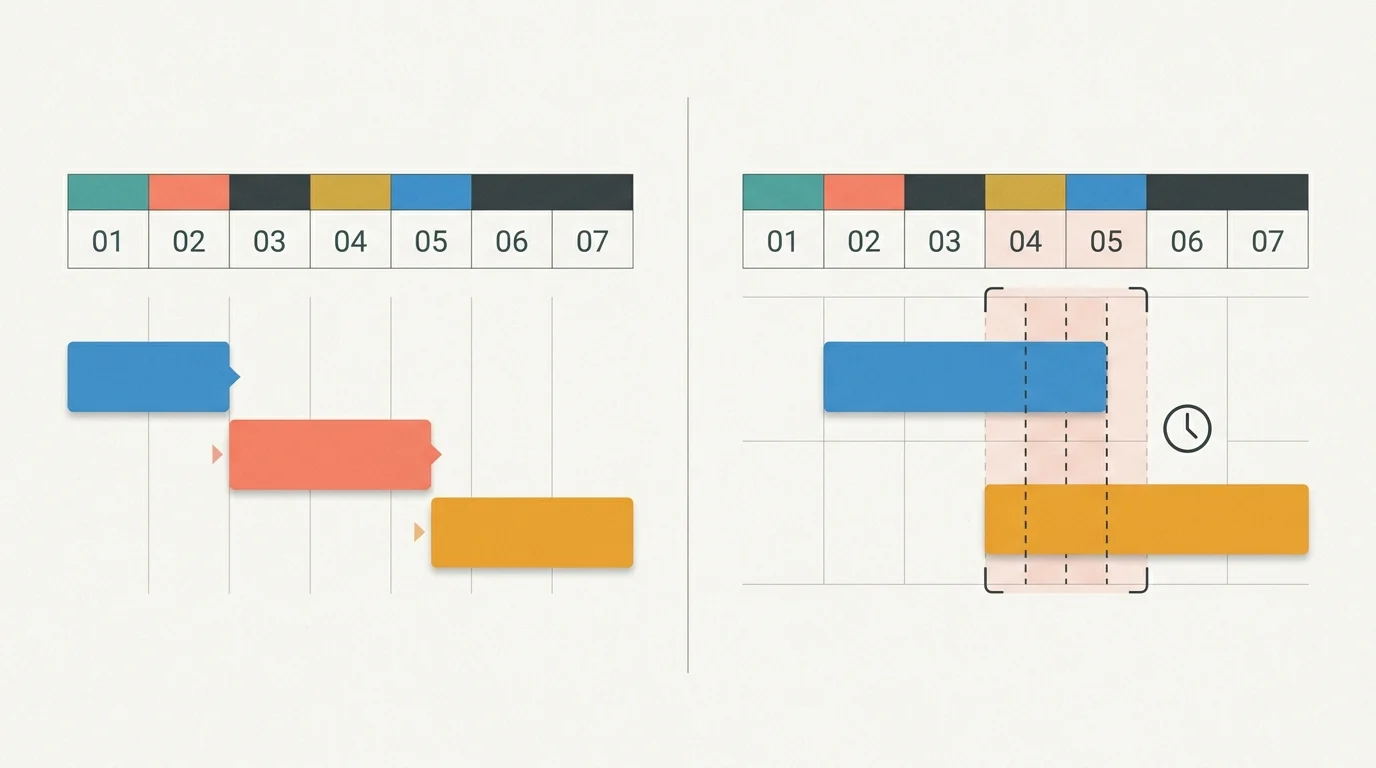
Quick Answer: Consecutive means happening one after another without interruption, while concurrent means happening at the same time. For example, three consecutive days occur in a continuous sequence, whereas two concurrent meetings take place simultaneously. Although both terms describe timing, they express different relationships between events, tasks, or activities. The words consecutive and concurrent both … Read more

Prison vs Jail: What’s the Difference? Time, Security & Rules Explained

prison vs jail

Quick Answer: The main difference between prison and jail is the length and type of confinement. In the United States, jails generally hold people awaiting trial or serving shorter sentences, while prisons usually hold people convicted of more serious crimes and serving longer sentences. Both facilities restrict freedom, but their purposes, management, and security levels … Read more

IBS vs IBD: Key Differences in Symptoms, Causes, and Treatment

ibs vs ibd

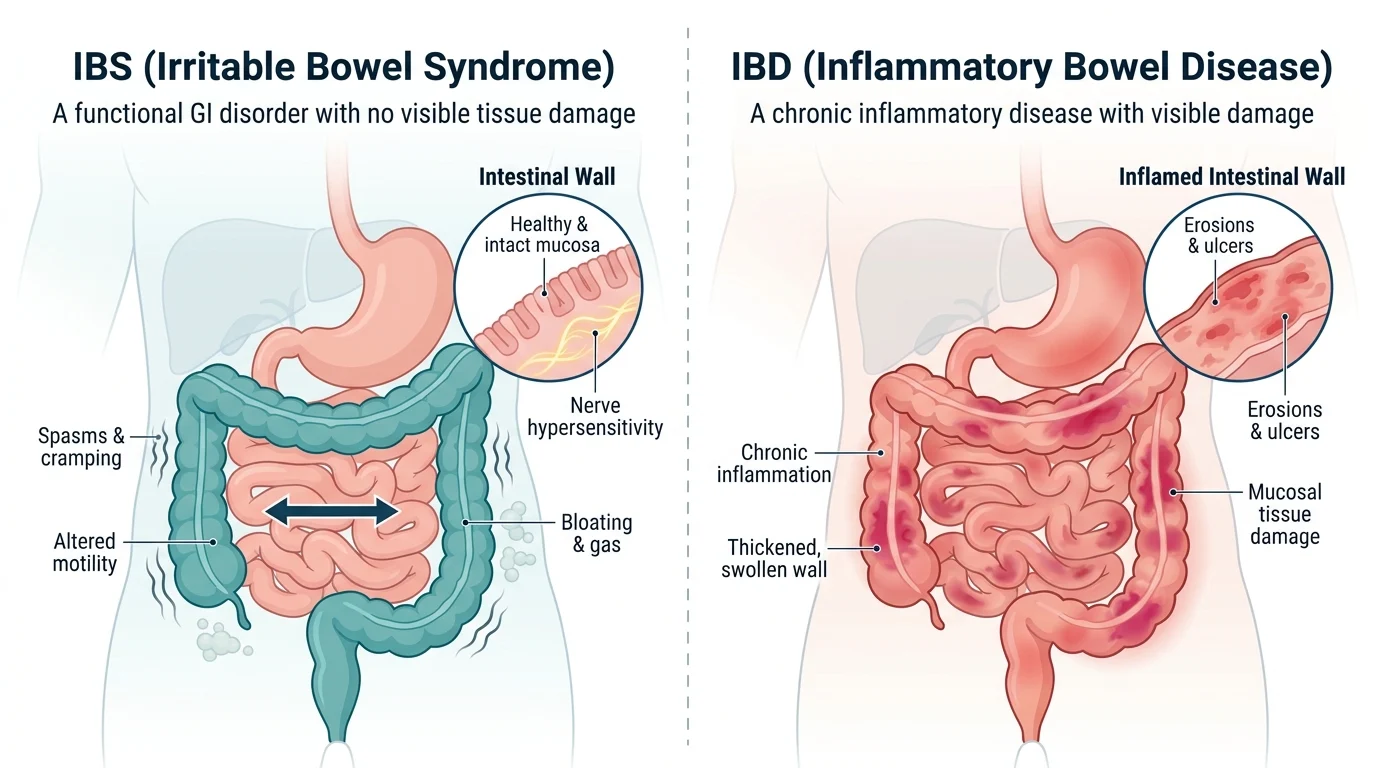
Quick Answer: IBS vs IBD refers to two different digestive conditions. Irritable bowel syndrome (IBS) affects how the digestive system functions, while inflammatory bowel disease (IBD) causes inflammation and damage in the digestive tract. Both can cause abdominal pain, diarrhea, and changes in bowel habits, but their diagnosis, treatment, and potential complications differ. Digestive problems … Read more

Echocardiogram vs EKG: Key Differences, Uses, and Which Test You Need

echocardiogram vs ekg

Quick Answer: An echocardiogram uses ultrasound waves to create images of the heart, while an EKG (electrocardiogram) records the heart’s electrical activity. An echocardiogram helps doctors evaluate heart structure, valves, and pumping function. In contrast, an EKG helps detect abnormal heart rhythms and electrical problems. Doctors may use both tests to assess heart health. Heart … Read more